
Preparing for a Safe and Enjoyable Recreational Boating Trip
A day on the water can be relaxing, exciting, and memorable—but a successful boating trip starts long before you leave the dock. Taking time to prepare helps keep everyone safe, comfortable, and ready to enjoy the experience. Whether you're planning a short afternoon cruise or a full day on the lake, these preparation tips will help you get started.
1. Check the Weather
Before heading out, review the latest weather forecast. Watch for high winds, thunderstorms, fog, or rough water conditions that could affect your trip. If the forecast looks unsafe, postpone your outing until conditions improve.
2. Inspect Your Boat
Give your boat a thorough inspection before launching. Check that:
- The engine starts and runs properly.
- The fuel tank is full or has enough fuel for the trip.
- The battery is charged.
- Navigation lights are working.
- Steering and controls operate smoothly.
- The drain plug is installed before launching.
3. Pack Essential Safety Equipment
Every boat should carry the necessary safety gear, including:
- A properly fitting life jacket for every passenger.
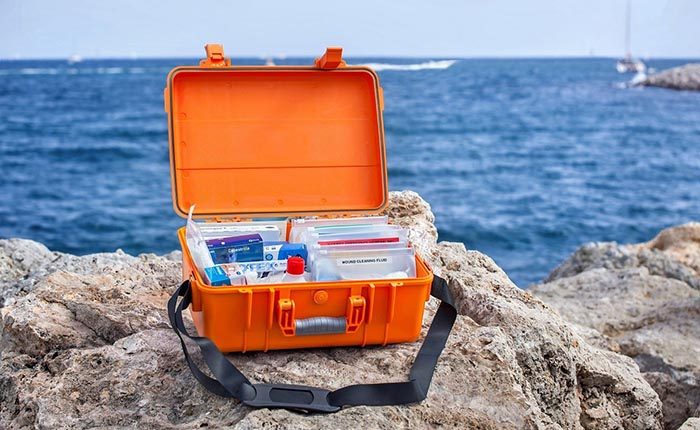
- A first-aid kit.
- A fire extinguisher.
- A whistle or horn for signaling.
- A flashlight with extra batteries.
- An anchor with enough rope.
- Emergency communication equipment, such as a fully charged mobile phone or a marine radio where appropriate.
4. Bring Food, Water, and Sun Protection
Even short trips can become uncomfortable without basic supplies. Pack:
- Plenty of drinking water.
- Healthy snacks or meals.
- Sunscreen with appropriate SPF.
- Sunglasses.
- Hats and lightweight protective clothing.
- Towels and extra dry clothes.
5. Plan Your Route
Know where you're going before leaving the dock. Review maps of the area, identify fuel stops if needed, and be aware of shallow water, restricted areas, and local boating regulations. Share your itinerary with a friend or family member, including your expected return time.
6. Follow Boating Rules
Operate your boat responsibly by observing speed limits, respecting no-wake zones, and maintaining a safe distance from swimmers, docks, and other boats. Stay alert at all times and avoid distractions while operating the vessel.
7. Avoid Alcohol While Operating
Boating requires good judgment and quick reactions. The safest choice is to avoid alcohol or any substance that could impair your ability to operate the boat safely.
8. Prepare for Emergencies
Talk with everyone on board before departure. Show passengers where safety equipment is stored, explain how to wear life jackets correctly, and discuss what to do if someone falls overboard or another emergency occurs.
A little preparation goes a long way toward making your recreational boating trip safe, enjoyable, and stress-free. By checking your boat, monitoring the weather, packing essential safety gear, and following boating regulations, you'll be better prepared for whatever the day brings. Safe boating isn't just about protecting yourself—it's about ensuring everyone on board has a fun and memorable experience on the water.